September 10, 2026 Post by : Editorial Home Decor
Growing a Cottage Garden in Whatever Space You Have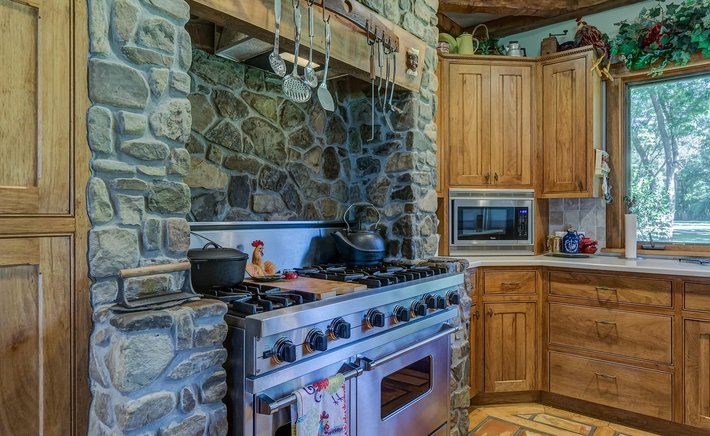
The kitchen is the heart of a cottage home. It's where the kettle lives, where the bread rises, where friends gather at the end of a long day and lean against the counter while you stir something on the stove. More than any other room, the kitchen sets the tone for how a home feels. And the good news is that making it feel like a hug doesn't require a renovation — just a little intention.
I think the most welcoming kitchens are the ones that look used. Not messy, exactly, but lived in. A wooden spoon resting in a jar. A bowl of lemons on the counter. A tea towel with a faint stain from last week's jam. These small signs of life say something important: that this is a room where things happen, where people are fed, where the day is tended.
Warmth You Can See and Touch
Start with texture. Kitchens can easily feel cold — all that tile and stainless steel — so I like to soften them wherever I can. A woven runner on the table. A linen curtain at the window. A small rug by the sink. A basket of onions hanging on the wall. These small textiles and natural materials absorb sound and light, and they make the room feel softer underfoot and easier to be in.
Light matters too. Overhead lights are useful, but they're not cozy. I like to add at least one small lamp or candle to the kitchen, something that gives a warmer, lower glow in the evenings. A little lamp on the counter, a candle on the windowsill, a string of fairy lights tucked above the cabinets — these small sources of light change the whole mood of the room after dark.
Then there's the matter of what you keep out on display. I'm a firm believer in open shelves and clear jars, not because they're trendy, but because they make the kitchen feel like a pantry you can wander into. Beans, oats, pasta, dried herbs — all in glass, all visible. It's practical, and it's beautiful. A kitchen that shows its ingredients feels like a kitchen that's ready to feed you.
The Rituals That Make It Home
The real warmth of a kitchen, though, comes from what happens in it. The morning kettle. The afternoon cup of tea. The smell of onions softening in butter. The sound of a knife on a cutting board. These rituals are what turn a room into a place. They're what make you want to linger, to pull up a stool, to stay for one more cup.
I try to keep a few small comforts within easy reach — a favorite mug, a good tea, a bar of soap that smells like lavender, a candle for the evenings. None of these things are expensive or complicated, but they make the everyday acts of cooking and cleaning feel a little more like care.
If your kitchen feels like a place you pass through rather than a place you want to be, start small. Add one thing that makes you smile — a plant, a print, a pretty jar of honey. Then add another. Over time, the room will start to feel less like a workspace and more like a hug. And that, really, is what a cottage kitchen is for.


Author

22 feb,2025
This incident opened my eyes to the value of Insurance in general, so I decided to examine my personal and business insurance.





Comment (3)
The payments are made directly from one person to another without passing through a central bank or clearing house.
22 feb,2025
ReplyThe Slow Art of Morning Coffee on the Porch
23 feb,2025
ReplyGrowing a Cottage Garden in Whatever Space You Have
23 feb,2025
Reply