October 1, 2026 Post by : Editorial Garden & Nature
Cozy Evenings at Home: The Art of Doing Very Little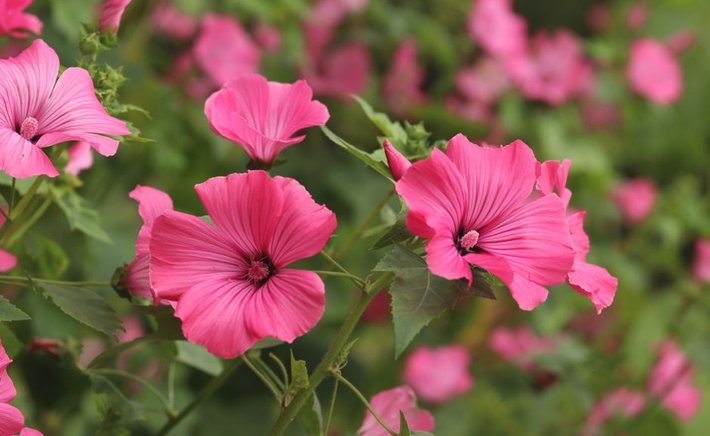
The cottage garden has a reputation for being the garden of sprawling country properties, but the truth is that its spirit fits almost anywhere. What defines a cottage garden is not acreage but abundance: flowers crowded together, herbs tucked into corners, a little wildness allowed at the edges. It is a garden that looks loved rather than controlled, and that is precisely why it works so well in small spaces.
My own garden began as a strip of tired grass beside a rental house, maybe four feet wide and shaded half the day. I killed the grass with cardboard and patience, added compost, and planted whatever I could find at the end-of-season sale. It was not beautiful that first year. It was, however, alive, and that turned out to be enough to keep going.
Choosing Plants That Want to Be There
The secret to a low-effort cottage garden is choosing plants that already like your conditions. Before buying anything, spend a week noticing your light. Does the spot get morning sun or only late afternoon glare? Is the soil sandy and fast-draining, or heavy and slow? A plant in the right place thrives without fuss; a plant in the wrong place becomes a daily chore.
For most cottage gardens, I lean on a handful of generous, self-seeding plants. Calendula, nigella, cosmos, and borage will scatter themselves around year after year. Perennials like rudbeckia, salvia, and catmint come back bigger each spring. Herbs belong in the mix too; rosemary, thyme, and chives are handsome, useful, and largely unbothered by neglect. If you have only containers, the same principles apply. A balcony with a few pots of nasturtiums, lavender, and mint can feel like a pocket meadow by midsummer.
Do not worry about color coordination. Cottage gardens are at their best when colors collide a little. Purple alliums against orange calendula, pink hollyhocks leaning over blue forget-me-nots. The eye finds its own order in the chaos.
Caring Less, Not More
The hardest lesson for a new cottage gardener is to stop tidying. Resist the urge to cut everything back in autumn. Seed heads feed the birds through winter, and hollow stems shelter small insects. Leave the leaves where they fall; they are next year's mulch and a nursery for moths and butterflies. A garden that is a little messy is a garden that is working.
Water deeply but less often, and only in the morning. Feed the soil with compost rather than feeding the plants with bottles. Sit in the garden with your tea and simply watch it; you will learn more from an hour of watching than from any book. And when something dies, as things will, treat it as information rather than failure. The garden is always telling you what it wants. Your job is mostly to listen, plant a little more, and let it grow.


Author

22 feb,2025
This incident opened my eyes to the value of Insurance in general, so I decided to examine my personal and business insurance.





Comment (3)
The payments are made directly from one person to another without passing through a central bank or clearing house.
22 feb,2025
ReplyThe Slow Art of Morning Coffee on the Porch
23 feb,2025
ReplyGrowing a Cottage Garden in Whatever Space You Have
23 feb,2025
Reply