September 25, 2026 Post by : Editorial From Scratch
Bringing the Outdoors In: Natural Decor for Every Season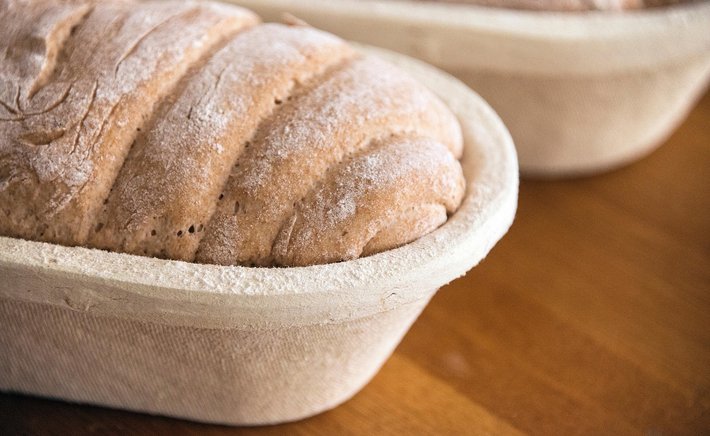
I resisted sourdough for a long time because everything I read made it sound like a second job. Feedings at precise hours, hydration percentages to the decimal, a starter that would apparently perish if I looked at it wrong. Then a friend gave me a jar of her starter with a note that said, simply, feed it when you remember. That jar has been bubbling on my counter for years now, and it has taught me more about patience than any book.
The truth is that sourdough is an old, forgiving practice. People have kept starters alive in farmhouse kitchens through winters and wars, without thermometers or schedules. The starter wants to live. Your job is mostly to give it something to eat now and then and to pay attention to how it behaves.
Finding Your Own Timing
Most sourdough recipes assume you are home all day, but you can shape the process around almost any schedule. If you work outside the home, mix your dough in the evening, let it rise overnight on the counter in cool weather or in the fridge in warm weather, and bake it the next evening or the following morning. A long, cold rise is not a compromise; it often produces the best flavor of all.
I keep my starter in the fridge most of the week and take it out the night before I plan to bake. I feed it, leave it on the counter, and by morning it is bubbly and ready. If I forget, I bake a day later. The bread does not mind. The only real rule is to use your senses: a ready starter smells pleasantly sour and yeasty, looks domed and full of bubbles, and floats a small spoonful in water.
Keep your equipment minimal. A jar, a bowl, a dough scraper, and something to bake in, whether that is a Dutch oven, a heavy pot with a lid, or a simple sheet pan. You do not need a proofing basket; a towel-lined colander works perfectly well.
The Quiet Pleasure of a Loaf
What I love most about baking bread is how it slows the day down. There is something grounding about working dough with your hands, feeling it change from shaggy and sticky to smooth and alive under your palms. It is a small, physical reminder that good things take time and that not everything worth having can be hurried.
When the loaf comes out of the oven, crackling as it cools, the whole house smells like a place someone cares for. I slice it warm, against all advice, and eat it with butter and a little salt. Some loaves are better than others. Some are dense, some are beautiful. All of them get eaten. If you have been waiting to start, consider this your permission. Find a jar, find a friend with a starter, and begin. Your kitchen will be warmer for it.


Author

22 feb,2025
This incident opened my eyes to the value of Insurance in general, so I decided to examine my personal and business insurance.





Comment (3)
The payments are made directly from one person to another without passing through a central bank or clearing house.
22 feb,2025
ReplyA Simple Sourdough Rhythm for Busy Weeks
23 feb,2025
ReplyCozy Evenings at Home: The Art of Doing Very Little
23 feb,2025
Reply