September 16, 2026 Post by : Editorial Home Decor
Keeping a Home That Breathes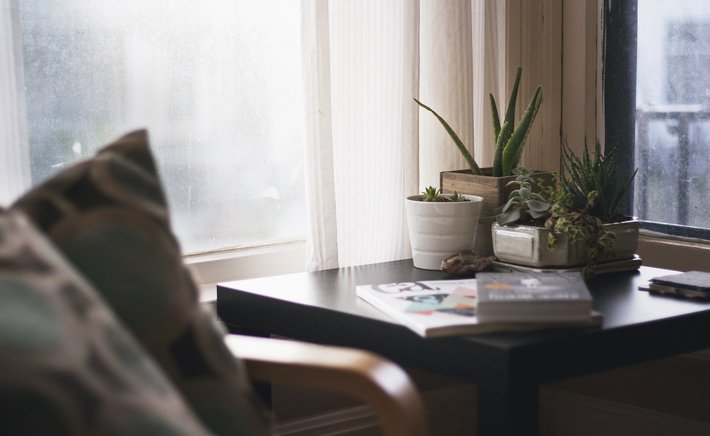
One of the things I love most about cottage living is how porous the line is between inside and out. A home that borrows from the natural world around it feels alive in a way that no store-bought arrangement quite manages. The best part is that this kind of decorating is nearly free, and it changes with the seasons, so your home never grows tired of itself.
It starts with a walk. Almost every week, I take a basket and wander the edges of the property, or the nearby lane, or the little wooded path behind the garden. I'm not looking for anything in particular. I'm just paying attention. A fallen branch with an interesting curve. A cluster of dried seed heads. A few smooth stones from the creek. A handful of pinecones after a windy night.
The Art of the Foraged Vase
Back home, these finds become the bones of simple arrangements. A tall branch in a stoneware jug can carry a whole corner of a room. Dried hydrangeas, faded to parchment, look wonderful in an old enamel pitcher. Even a single stem of bittersweet or a few sprigs of eucalyptus can lend a shelf a sense of quiet drama.
The trick is to keep things loose and a little undone. Nature doesn't arrange itself in tight, symmetrical bouquets, and neither should we. Let a branch lean. Let a few stems droop. Let the arrangement look like it might have happened on its own. That looseness is what makes it feel like a piece of the outdoors rather than a decoration.
I also love using natural materials in less obvious places. A bowl of acorns on the coffee table. A length of driftwood on the mantel. A few feathers tucked into a small vase on a bedside table. A stone with a good shape holding down a stack of letters. These small touches add texture and a sense of place without costing a thing.
Letting the Seasons Lead
The beauty of natural decor is that it keeps you in conversation with the year. In spring, I bring in budding branches and the first forced blooms. In summer, it's wildflowers and herbs from the garden, their scent filling the room. Autumn brings leaves, seed pods, and the last of the roses. Winter is for evergreens, dried citrus, and the quiet architecture of bare branches.
Because these things are temporary, they keep us present. Nothing lasts forever, and that's part of the charm. When the branches dry out or the petals fall, we simply return them to the garden or the compost and go looking for the next thing. The house is always changing, always breathing, always a little bit wild.
If you're new to this, start small. Pick one surface — a windowsill, a mantel, a dining table — and give it a single natural element. A jar of dried grasses. A bowl of pinecones. A branch in a bottle. You'll be surprised how much life one small piece of the outdoors can bring to a room.

Author

22 feb,2025
This incident opened my eyes to the value of Insurance in general, so I decided to examine my personal and business insurance.



Comment (3)
The payments are made directly from one person to another without passing through a central bank or clearing house.
22 feb,2025
ReplyCozy Evenings at Home: The Art of Doing Very Little
23 feb,2025
ReplyThe Quiet Joy of a Sunday Reset
23 feb,2025
Reply